
Celebrating Martinican Heritage Through Fashion
(Summary at the bottom)
For European Black History Month, we’re excited to share a very special Shop Drop created by Guest Designer Wisoria, inspired by her Martinican heritage! The collection features three different design concepts, from traditional Martinican dress to contemporary takes on its styles and patterns.
This collection is about more than bringing new items to the shop. Clothing can carry stories of identity, resistance, creativity and cultural change. Understanding where a design comes from can give us a deeper appreciation of the people and experiences that shaped it.
Before we take a closer look at the designs, let’s get to know Wisoria and what brought her to this project!
Meet the Designer
Hey everyone!
I want to start by saying that I'm very happy to have been selected to create designs for the EBHM. I'm Wisoria, a 24 years old afro-descendant woman from France and I love fashion and dress up games! Like a lot of POC born in Europe, I grew up in a melting pot. And even tho I've never lived in Martinique, my father still made sure to share his culture with me through food, history and decoloniality. So today I'm proud to present to you my designs and to show light on martinican culture.
The Inspiration Behind the Collection
Concept One: Traditional Martinican Clothing
The first design is inspired by traditional Martinican clothing.
These garments carry a history shaped by Martinique’s colonial past. During slavery, clothing regulations restricted what enslaved women could wear. The chemise-jupe, for example, was associated with dress codes imposed on enslaved women in the French Caribbean. After emancipation, Black women took those once restricted styles and made them their own, creating a stunning and unique Creole dress tradition.
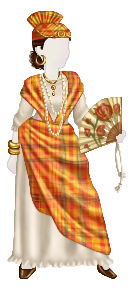
This design was inspired by a contemporary version of the chemise jupe. It is composed by a dress called golle créole as well as a skirt and a sort of scarf with a checked fabric named madras. Originated from India, more specifically from the city of Madras, this fabric became an emblem of Caribbean clothing. The headdress is made of the same fabric and tied into a fan-like shape. This specific headdress was worn by emancipated, kept women called matadore, more specifically matadore of the south, as each part of the island have their own way of tying this headdress.
Concept Two: A Modern Take
For the second concept, Wisoria draws on traditional Martinican influences while giving the outfit a more contemporary look.
Tradition doesn’t have to mean keeping things exactly as they were. Clothing styles evolve, and designers can reinterpret familiar patterns, colours and silhouettes in ways that reflect their own tastes and personal expressions.
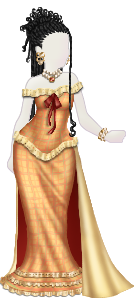
For this design I was inspired by martinican fashion creator Flech Kann. I love the way she associates the madras with vibrant colors and in beautiful streetwear and swimwear clothing. I wanted to make something similar and use madras to create a formal dress. I also had a lot of fun creating a different body shape around the model.
Concept Three: Contemporary Martinican Style
The third look takes things in a more casual, summery direction, bringing Martinican inspiration into modern streetwear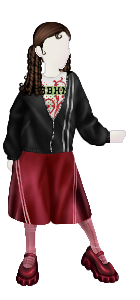
My main inspiration for the third design was the martinican flag! Before the adoption of this flag in 2023, the official flag was a colonial one. Depending on the different significations, the red, green and black of this new flag represents, respectively: the blood that must be shed for freedom or socialism; the Terre Mère (mother earth) or peasantry and black people and their African ancestry.
I chose to create a streetwear design while incorporating those colors and because I wanted to represent what it is to be away from my culture while carrying its values with me.
Representation, Creativity and Respect
One of the best parts of fashion in a dress-up game is the total freedom to experiment – finding your favorite colors, mixing and matching items and expressing your own unique style. A new collection adds a splash of creativity to the game, but it’s also an opportunity to discover cultural influences you might not have encountered before.
At the same time, real representation goes deeper than just making a look visible. It means acknowledging the real people,histories and traditions behind these designs. When an outfit carries specific historical weight, that history deserves to be shared rather than reduced to just an aesthetic. Likewise, when a piece is a modern or personal interpretation, it deserves to be understood on its own terms.
Respect and creative freedom don’t have to compete with each other. We can love styling these items while staying curious about where they come from, enjoying a design’s colors while learning the story behind it. The goal isn’t to restrict how you play, but to make playing feel more informed and meaningful.
Martinican culture is rich, diverse and constantly evolving, so no single collection can cover every story or tradition. Instead, this Drop offers one thoughtful perspective, shaped by Wisoria’s personal vision and the influences she drew from. Giving her space to explain her choices lets us appreciate the collection both as a creative addition and as an invitation to learn.
A Final Message from Wisoria
I'm really excited to see how users will incorporate each item to their own style and outfits! I really hope I was able to represent my culture appropriately and that users will learn a thing or two about Martinique and will want to learn more about the Caribbean as a whole.
In my opinion, we can't talk about Black European History Month without talking about colonisation, slavery and the massive deportation of black African people to America. I'm really touched by the initiative that the GoSuperModel and Inclusivity Group teams took to show light into our history and culture as afro-descendants living in Europe. I also would like to thank them for creating a safe place for people of color to express themselves and create opportunities for us to share our cultures.
Closing Words
We want to give a huge thank you to Wisoria for all the care and effort she put into bringing these concepts to life, as well as for opening up about her inspirations with the community. We hope that getting a peek behind the scenes gives you a deeper appreciation for the collection – whether you’re here to experiment with new colors, style a standout piece, or discover the history behind these designs for the very first time.
EBHM is a meaningful time to celebrate Black heritage, honor the diverse stories that shape it and highlight perspectives that deserve a spotlight. We hope this collection inspires you to explore, create and learn along with us.
The collection will be available in the shop until end of the day on November 13th.
Summary
- EBHM Guest Designer Wisoria introduces herself and shares how she grew up in France while staying connected to her Martinican heritage through her father.
- The first design draws inspiration from traditional Martinican clothing and explores its history in the context of colonialism and slavery.
- Madras fabric, originally from India, became an important part of Caribbean fashion, with traditional headwear carrying its own cultural significance.
- The second design reimagines traditional Martinican fashion with a modern twist, inspired by Martinican fashion creator Flech Kann and her colourful use of madras patterns.
- The third design takes inspiration from the Martinican flag, incorporating its colours into contemporary streetwear.
- Wisoria explains how her designs reflect her connection to Martinique while living away from her culture.
- We explore the importance of understanding the history behind cultural clothing while balancing cultural appreciation with creative freedom.
- Wisoria reflects on the significance of Black European History Month, acknowledging colonialism and slavery and celebrating opportunities for people of colour to share their cultures and experiences.
Thank you for celebrating EBHM with us!
With love,
The Inclusivity Group
